
The Hidden Risk in Wealth Management’s Capital Boom
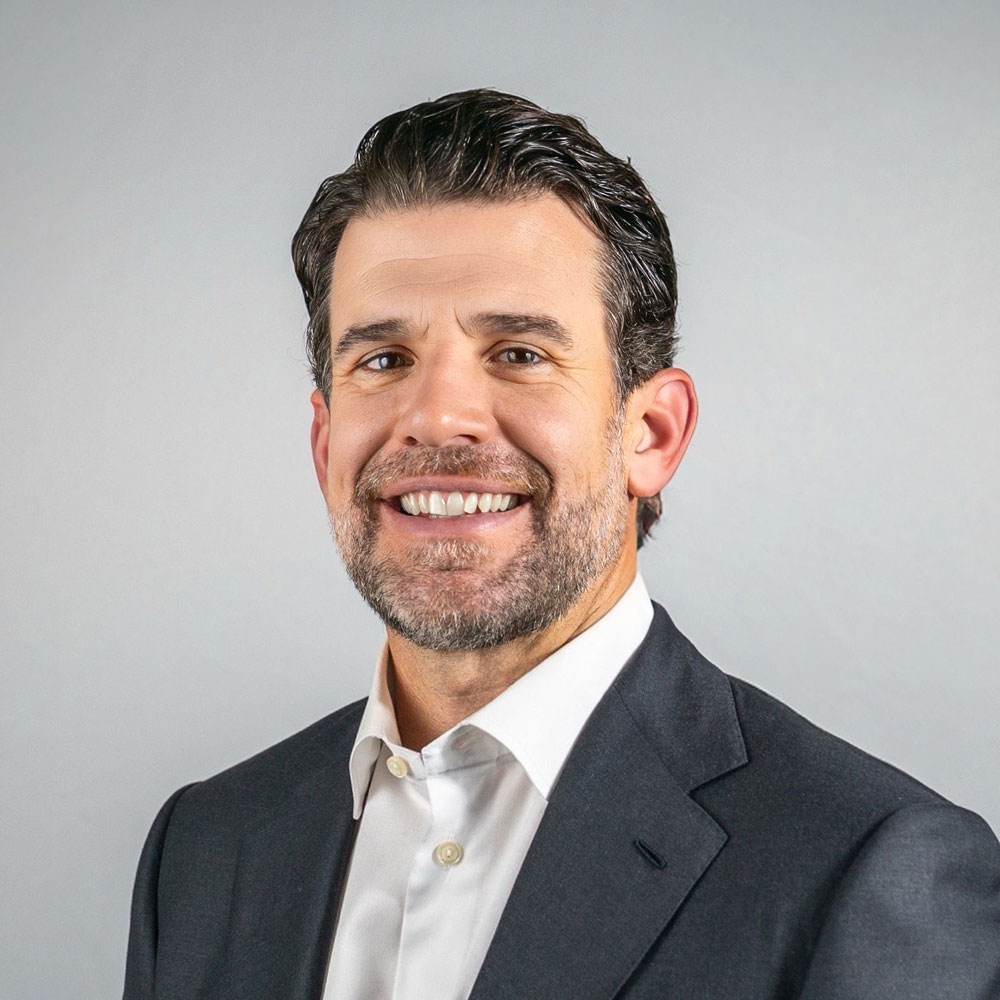

Having raised private equity capital, advised businesses through institutional transactions, and personally sold companies to institutional buyers, I’ve had a front-row seat to the massive financial forces reshaping the wealth management industry. It is creating extraordinary opportunity, while simultaneously generating legitimate concern and a need for deep caution.
There has never been a more consequential time to be an advisor in the wealth management industry. Private equity capital is pouring into the RIA space at a record pace, fueling consolidation across the industry. At the same time, advisors are navigating unprecedented changes. Artificial intelligence is redefining how advice is delivered, even as its long-term implications remain uncertain. The opportunities for advisors have never been greater. But neither have the stakes.
As a result, one question has become increasingly important: Who are you actually partnering with?
Nationwide, advisors are wrestling with the same decisions. Should I sell my practice and become a W-2 employee? Should I remain a 1099 advisor and join an independent platform? Should I build my own RIA? How do I keep up with relentless technology change? How do I grow in an increasingly competitive environment?
Yet beneath those questions lies a fundamental concern many don’t realize until after the ink has dried. Advisors are unknowingly becoming the leverage for someone else's rollup strategy.
The Anatomy of the Capital Boom
Private equity is not inherently good or bad. The right institutional partners should fuel operational efficiencies, support organic growth, and help solve succession challenges. At their best, these firms develop long-term infrastructure that expands an advisor’s capabilities, creating transparent equity alignment where advisors participate meaningfully in true long-term value creation.
Conversely, many players are driven less by sustainable long-term partnership, and more by financial engineering and multiple arbitrage. Driven by rigid, fund-level time horizons, their objective is to roll up assets under management as quickly as possible, aggressively centralize operations to cut overhead, maximize short-term economics, and flip the consolidated entity to the next highest bidder.
Under this transaction-driven model, advisors quickly discover that they are no longer viewed as partners. Advisors often underappreciate that the platform they join today may look materially different after the next recapitalization. They find themselves stripped of their voices, realizing too late that they have become mere leverage for an institution’s short-term exit strategy.
Look Beyond the Up-Front Check
The distinction matters. In the world of modern RIA platforms, a clear line has emerged between long-term partners and short-term financial engineers. One model is built around sustainable growth, true advisor alignment, and real enterprise value creation. The other is driven by acquisition velocity and the underlying economics of the next transaction.
In this environment, too many advisors become fixated on upfront valuations and attractive forgivable loan packages while completely overlooking the long-term implications of the partnership. Once the transaction closes, the economics, corporate culture, incentives, and strategic direction of the business often become far more consequential than the purchase price itself.
By the time advisors recognize the tradeoffs they have made, reversing course is nearly impossible. The quiet erosion of independence, operational flexibility, leadership influence, and culture begins.
Redefining True Independence
Before entering any platform change—whether a 1099 or W-2 affiliation model—advisors must thoroughly interrogate the incentives driving the platform they are joining.
How is equity ownership structured, and what preferences exist?
Who has direct access to decision makers, and who controls those decision makers?
What happens to your business during the next recapitalization?
Is the organization optimizing long-term value creation or simply dressing up the financial statements for its next liquidity event?
These questions are not academic. They directly impact an advisor's daily ability to serve clients, grow their business, retain talent, innovate, and preserve their culture.
Independence has become an overused and misunderstood term in wealth management. It is quickly becoming a one-size-fits-all marketing model disguised as freedom. True independence should provide advisors with meaningful optionality, flexibility, and long-term value creation. It should create genuine operational tailwinds, accelerated innovation, and expanded institutional capabilities without sacrificing autonomy.
The wealth management industry is entering one of the most transformative and opportunistic periods in its history. Massive change is coming, and advisors will either help shape that change or they will be shaped by it.
In the most important decision of your career, it is critical that you fully understand who you are partnering with, and whose interests will ultimately determine the future of the business you sacrificed to build.
Ryan O. Smith
Chief Executive Officer


