
The Tide Is Turning. Do You Know Who’s Soliciting Your Clients?
Updated: Nov 5

Article originally published on AdvisorHub. View article here.
Investment advisors should pay close attention to a growing class of professional (and more often amateur) fundraisers and alternative investment sponsors. Many have little to no experience investing in, operating, or scaling companies, real estate projects, or investment teams. Yet they are raising tens of millions of dollars from your clients.
Apart from the brief COVID-19 shock in 2020, which ultimately became a tailwind for many asset classes, we have not experienced a true recession since 2009. Consider what that means. We’ve had scares and real challenges, but this has been seventeen years of mostly rising tides. Mediocre operators have looked like geniuses. Bad deals have still found exits. The discipline to identify a real operator from an inexperienced fundraiser has eroded, and your clients may pay for it. Warren Buffett’s famous line explains it best: “Only when the tide goes out do you discover who’s been swimming naked.”
Is the tide going out?
Here are five starter questions to help you and your clients separate real investors and operators from mere fundraisers.
1. Who is actually putting money on the line?
If the person raising capital or operating the investment isn’t writing a meaningful check into their own deal, that may be a red flag. Alignment means skin in the game. Too many fundraisers and deal sponsors are investing your clients’ capital, not their own, and they collect asset management, monitoring, acquisition, developer, administrative, disposition, loan, and board fees regardless of how the investment performs. Whose money is really at risk?
2. What is their actual experience in this asset class?
Have they operated through a downturn? Led a real team through a crisis? Personally navigated this asset class, and for how long? What is their track record in the investment structure they are offering? A bull market can create the illusion of expertise, and a recession will often reveal its absence. No amount of due diligence eliminates all risk, but I’m amazed at what some investors, and even some advisors, will accept as diligence before they wire the money.
3. Do they understand the regulatory requirements?
Private investments are exempt from SEC registration, but that exemption comes with strict rules on who can invest, how deals can be advertised, what must be disclosed, and when a registered broker-dealer must be involved. I regularly see deals that blatantly violate these rules, and many fundraisers and sponsors don’t even know they exist. Enforcement shouldn’t wait for the next downturn. If you see deals that violate these rules, say something. Work with regulators to identify the groups that blatantly violate the rules advisors are held to. The exemption your clients benefit from is at risk if these rules aren’t followed. More importantly, so is their money.
4. What is the advisory board actually doing?
An impressive name on a website is not expertise. Is the advisory board actively engaged? Do its members have capital in the deal? Is their experience relevant, or is a tech entrepreneur advising on a multifamily real estate development? Don’t be fooled by an advisory board of impressive names. Make sure they are relevant and involved.
5. Are you investing because of the private jet?
Private jets to golf clubs and exotic destinations are fun, and they can create real networking and idea-sharing opportunities. But never confuse access to a lifestyle with access to competence. The jet doesn’t underwrite the deal. Your client’s money does.
Illiquidity is the Killer
In public markets, a bad bet can be exited. In private investments, investors are locked in with little ability to pivot. When the economic environment shifts, and it will, investors trapped in deals run by inexperienced, undercapitalized sponsors with no workout experience may have nowhere to go. Too often, the fundraiser’s response is to raise more money or create a continuation fund to paper over the problem. We all know where that can lead.
Your Role Has Never Mattered More
There are real investors, operators, and sponsors out there: experienced groups with institutional-quality teams, access to genuine opportunities, rigorous diligence processes, and meaningful personal capital at risk alongside your clients’ capital. They exist, and while the risk of alternative investments is always there, these groups are worth finding.
The alternative investment space has become far too commoditized over the last decade. Access to general alternative investments is no longer a differentiator, because almost anyone can package a deal and call it an alternative investment. As I meet with advisors and RIA or broker-dealer platforms across the country, I see too many offering alternatives without the necessary expertise. Worse, many advisors don’t know how many deals are being pitched to their clients and wouldn’t be ready to advise on them if asked. Your clients are seeing plenty of deals. The question is whether you are.
As AI continues to flatten the market for information and basic portfolio construction, your edge will increasingly come from expertise and judgment in alternative investments. Your clients will find plenty of investment opportunities, but they can’t easily tell which ones are right for them. Be the trusted advisor who can. That means vetting not only the opportunities you present but also protecting clients from the ones you never should.
Ask harder questions. Demand real answers. Because the tide is turning, and it won’t wait for anyone to get dressed.
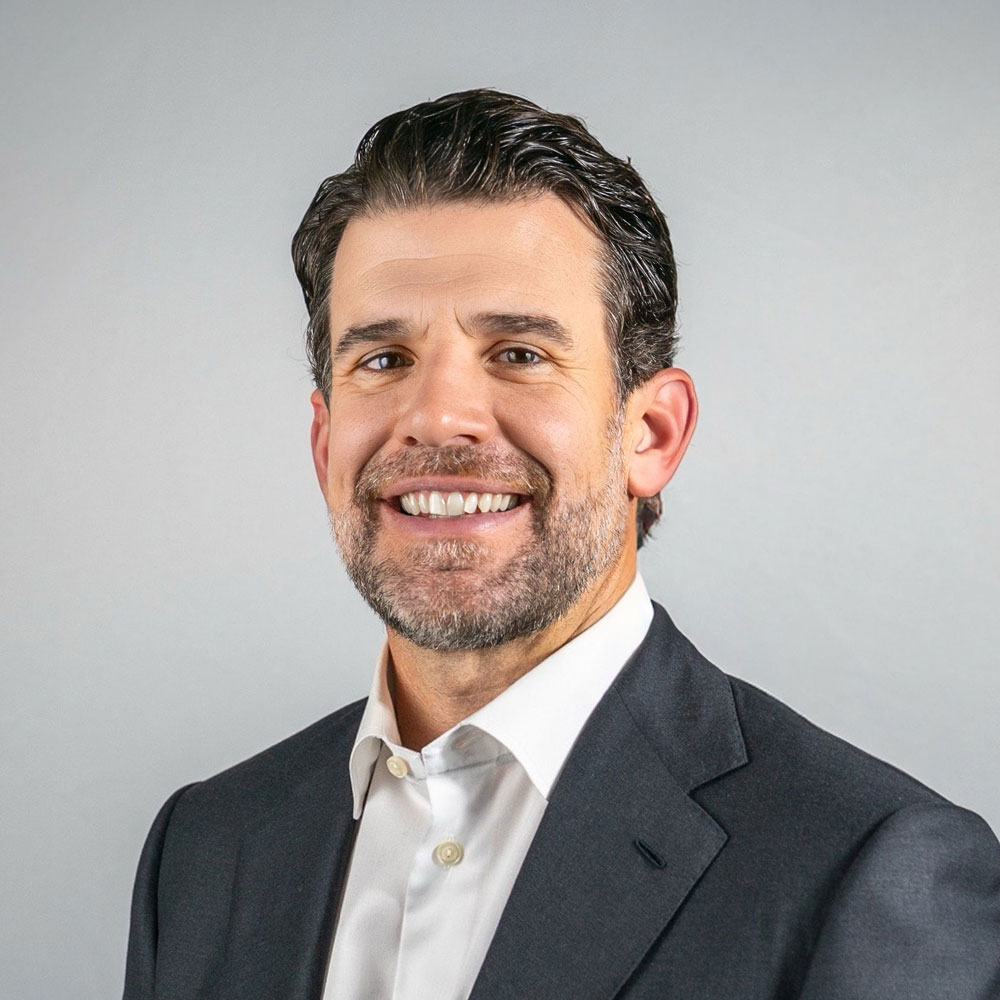
Ryan O. Smith
Chief Executive Officer


